Case study · Flow
Flow
What if renting gave you belonging, connection, and a deeper sense of home?
- Role
- Head of Design & Founding Product Designer
- Timeline
- 2023 to 2026
- Scope
- Built the design org from the first hire, including design engineers
Framing the problem
Apartment living can be lonely. Renters pay thousands each year without feeling any ownership of, or connection to, the place they live. Flow set out to change that by making rent simple and by turning everyday apartment life into a source of belonging, wellness, and growth.
A company with that ambition needed a design function that could carry one idea across every product it would build.
My role
I joined Flow as its founding product designer and became its head of design, working directly with the CEO, Adam Neumann. In practice that meant three jobs at once: designing the first product by hand, building the team that would design the rest, and creating the system that would hold all of it together.
Standing up the organization
There was no design function when I arrived. I set one up.
- Hiring. I defined the roles, wrote the hiring bar, and hired the team, eventually managing and guiding five other designers across Flow.
- Design engineering. I hired design engineers so that the quality we designed was the quality that shipped. They sat between design and engineering and owned the details that usually get lost in handoff.
- How we worked. I put the team’s rituals in place: regular critique, design reviews with product and engineering, and research built into the cycle instead of saved for special occasions.
- AI-native workflows. When I started, we were just testing AI-generated prototypes. By the time I left, we had implemented ephemeral environments where designers were branching on staging and working on real UI, close to engineering.
- A seat in the plan. Design helped decide what to build as well as how it looked. I worked alongside product and engineering leadership from the first conversation about each product.
The design system
One small team can only build five products on a shared foundation. I created Flow’s design system and built it with the team, so it could stretch from practical payments to human connection.
- One visual language and one set of components across every product.
- Built in code as well as in design files, with design engineers keeping the two in step.
- Flexible enough for very different jobs: paying rent, booking a room, joining a community event, asking for help.
Five products from scratch
Over my time at Flow the team designed five products from nothing. Residents only ever saw two of them. The other three were tools for the people who run the buildings, and they mattered just as much: a neighbor’s experience is only as good as the operation behind it.
For residents
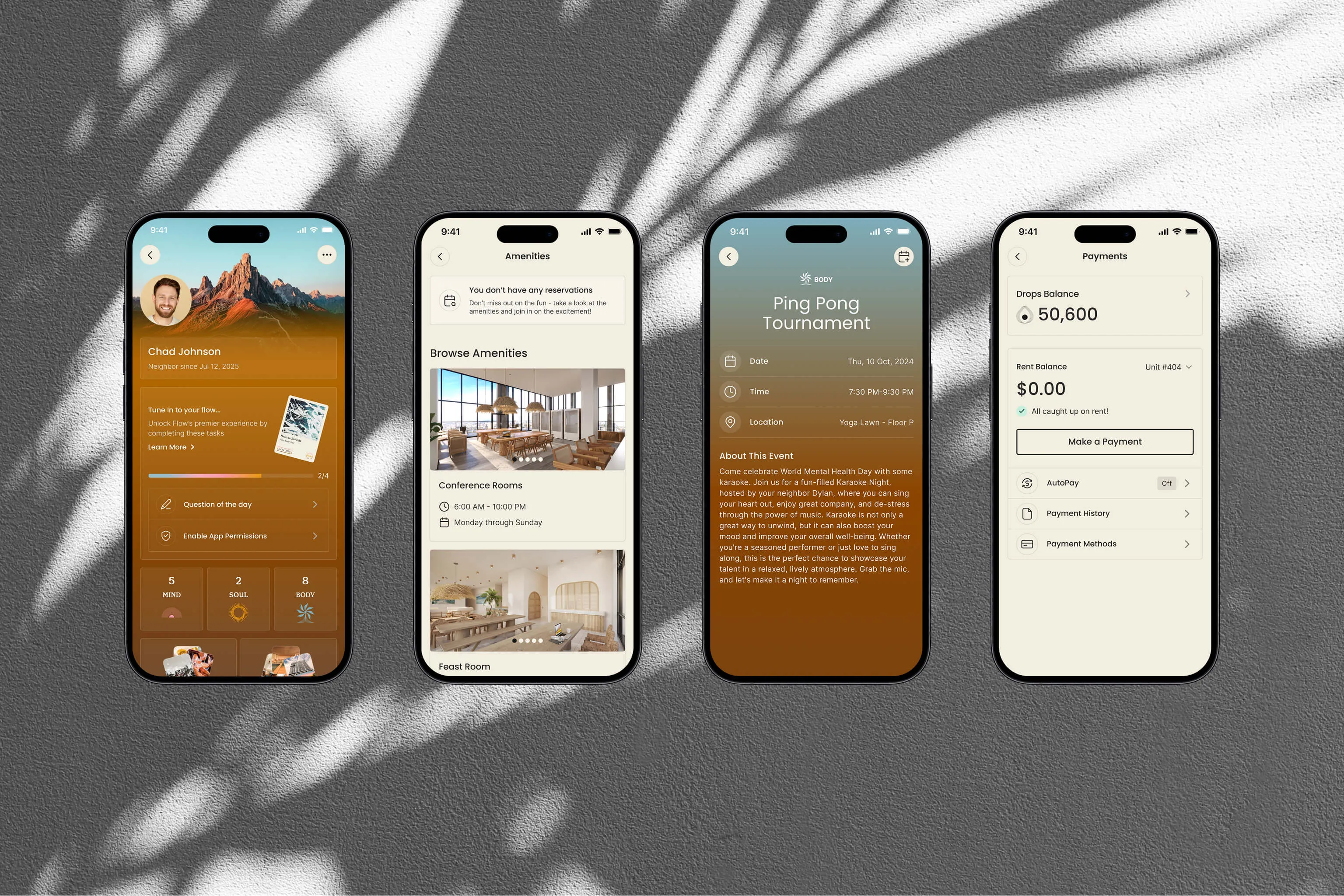
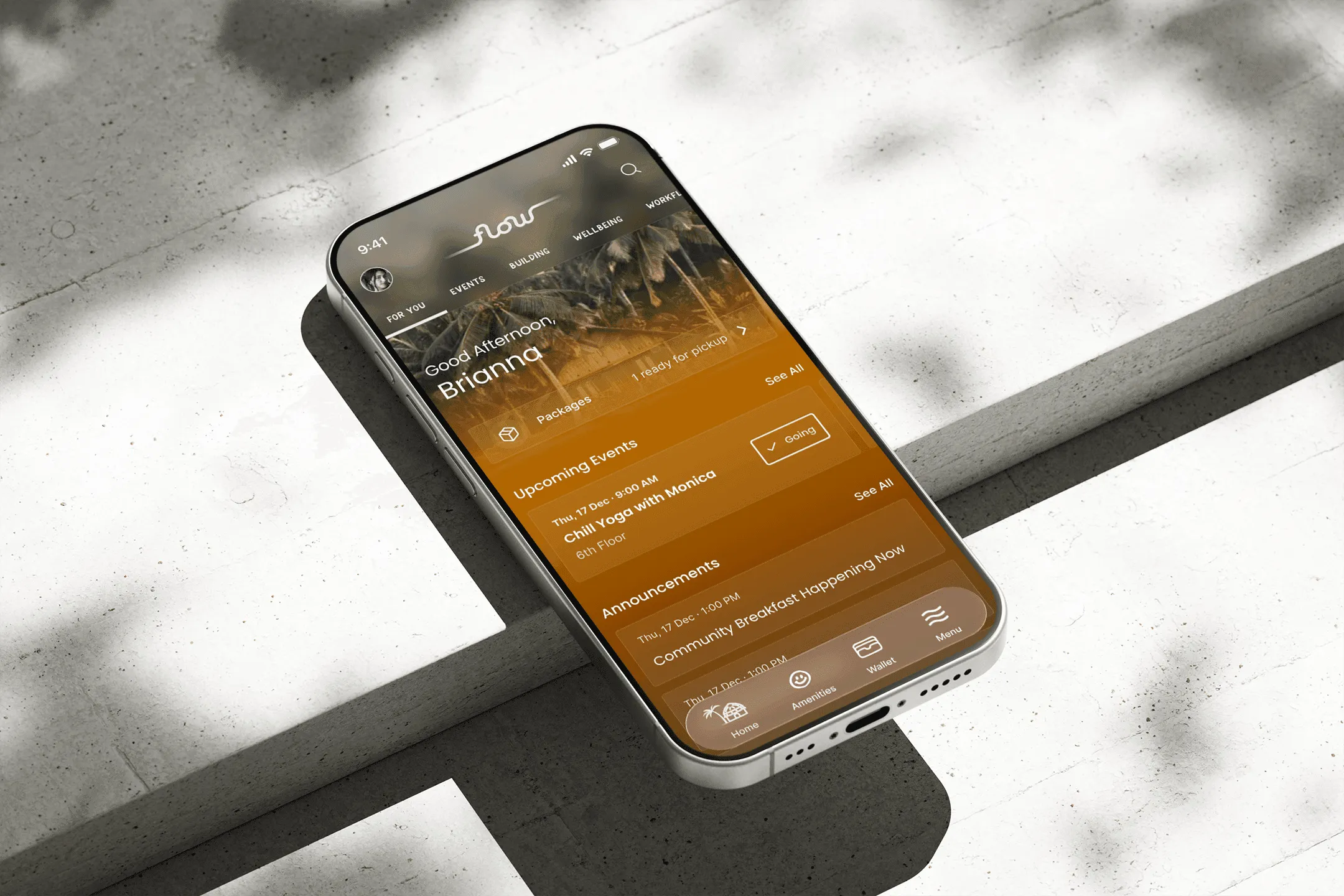
- The Neighbor App. The resident’s side of everything: rent, amenities, events, services and help. It is the one I can show in the most detail below.
- The Flow website. Where someone first meets Flow, finds a home and applies for it. We designed the application to feel quick and simple.
For the people who run the communities
- An operating system for property managers. One AI-powered place to manage what is happening inside a building: maintenance requests, packages, security and resident safety, setting up events, and working with residents and neighbors to build a better community.
- A ledger for accounting teams. An AI-powered ledger that took routine work off the accounting team and gave them a clearer view of each property’s finances.
- Leasing and pricing. Our own replacement for legacy property management systems like Yardi, built so that pricing, leasing flows and applications could be as flexible as the business needed.
Why the back of house is the neighbor experience
Each operator tool maps to something a resident feels. A maintenance request that reaches the right person quickly is a repair that gets done. A package system that works is one less thing to chase. Security tools mean people feel safe at home. Event tools mean there is something happening downstairs on a Thursday. A flexible leasing system means the application a resident fills in is short and the price they see is right.
Designing both sides in one team, on one design system, is what let us connect them. A request made in the Neighbor App arrived in the operator’s tools as something they could act on, not as an email.
The Neighbor App
From the beginning, the app had to be both infrastructure and a way for neighbors to connect. We got there through qualitative research, iterative prototyping, and designing at the level of the whole system.
Deep research with residents
- Conducted 1:1 interviews and group sessions with renters across demographics to uncover patterns of loneliness, frustration with existing tools, and opportunities for connection.
- Synthesized findings into design principles: reduce friction, cultivate ownership, foster connection.
Qualitative studies in the field
- Shadowed residents during their “moments of maintenance” (rent day, amenity use, repair requests) to map pain points.
- Facilitated co-creation workshops where neighbors shared what would make them feel proud of where they live.
Handling legacy systems and crossing borders
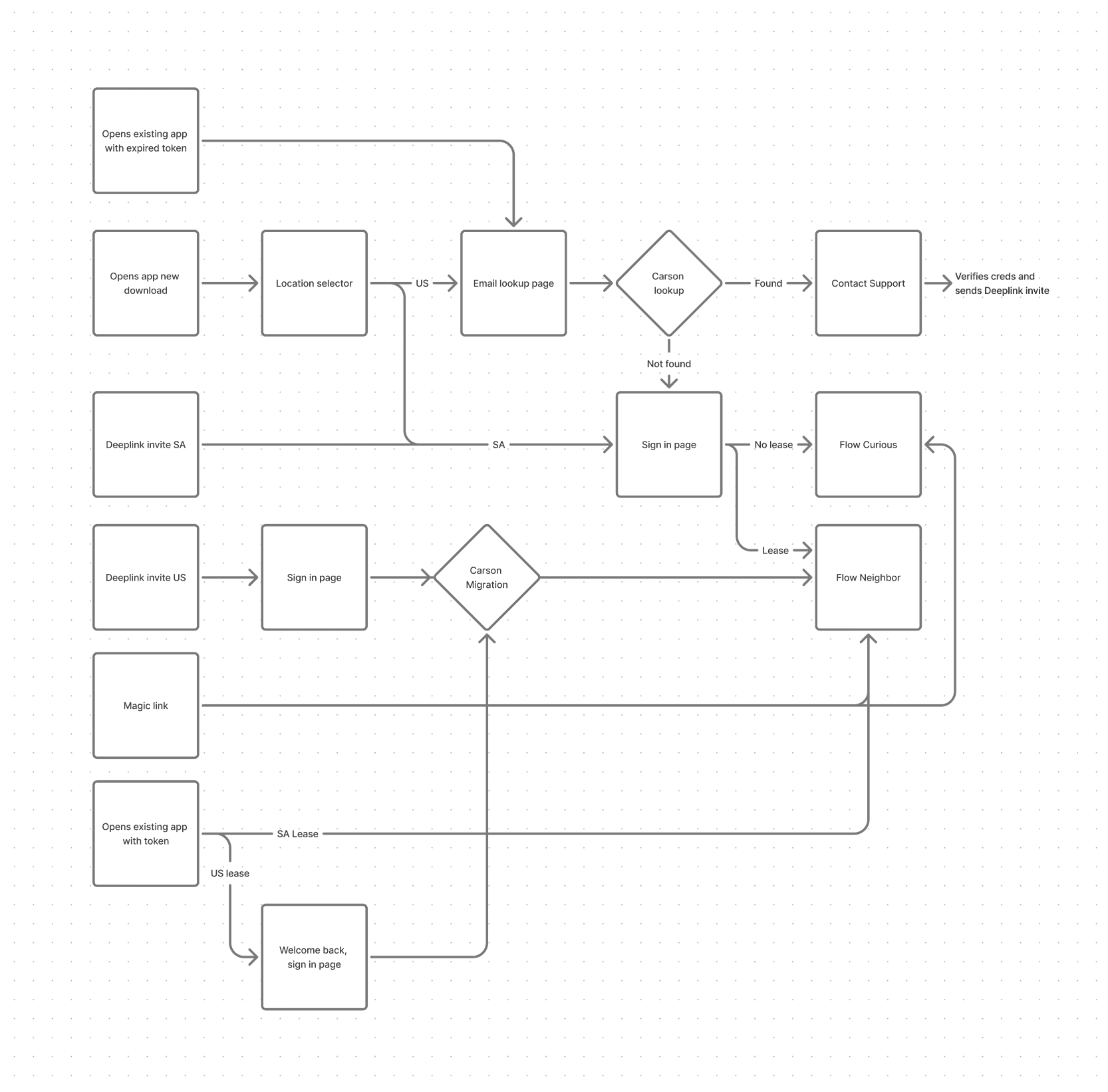
- Legacy system migration. We designed flows for tenants arriving from older property management systems. They handle expired tokens, deep links, and magic links, so residents are never locked out.
- Smart branching logic. The onboarding journey accounts for multiple entry points (email lookups, deep link invites, and existing tokens) and routes each person to the right path, whether they have a lease on file or are simply “Flow Curious.”
- Global expansion. The app was built with region-specific flows. At launch it handled US and Saudi Arabia leases differently, which prepared it for further expansion in the Middle East.
- Tenant-first continuity. Support handoffs, automated credential verification, and contextual deep links moved legacy accounts into the new Neighbor experience without disruption.
Product rollout and evolution
The Neighbor App launched in stages. Each feature met an immediate need and also served the larger goal of community.
Rent payments
- Made paying rent simple and transparent.
- Rent was the first thing residents did in the app, so an easy payment built trust and started the habit of using it.
Amenity booking
- Treated shared spaces as places for neighbors to meet.
- Designed booking to be quick and to encourage shared use of coworking areas, wellness rooms, and social events.
Wellness integration
- Introduced features supporting physical and mental well-being, like guided community programs and local nature experiences.
- Made the app a tool for connection as well as convenience.
Community commerce
- Built out a marketplace concept where neighbors can share passions and services: yoga sessions, dog-walking, art lessons, local businesses.
- Designed a framework that makes it simple and safe for neighbors to take part and contribute.
AI chat for everyday needs
- Designed and deployed a conversational assistant to handle maintenance requests, FAQs, and resident services.
- Took the effort out of common requests, so neighbors spent less time on logistics.
Outcomes
The Neighbor App’s launch showed that renters want to feel supported and connected, in addition to getting things done.
- Adoption. Rent payments became the anchor, driving early engagement and trust.
- Engagement. AI chat and amenity booking increased daily and weekly app use beyond “bill pay moments.”
- Community signals. Early pilots showed neighbors collaborating through commerce features, from informal services to wellness events.
Reflection
Flow is where I learned the difference between designing a product and building the thing that designs products. The screens mattered, but the lasting work was the team, the system, and the way design, product, and engineering learned to decide together.
It was also an exercise in balancing the pragmatic (rent, maintenance, service flows) with the aspirational (loneliness reduction, ownership, community). The team learned to hold both.
More case studies
-
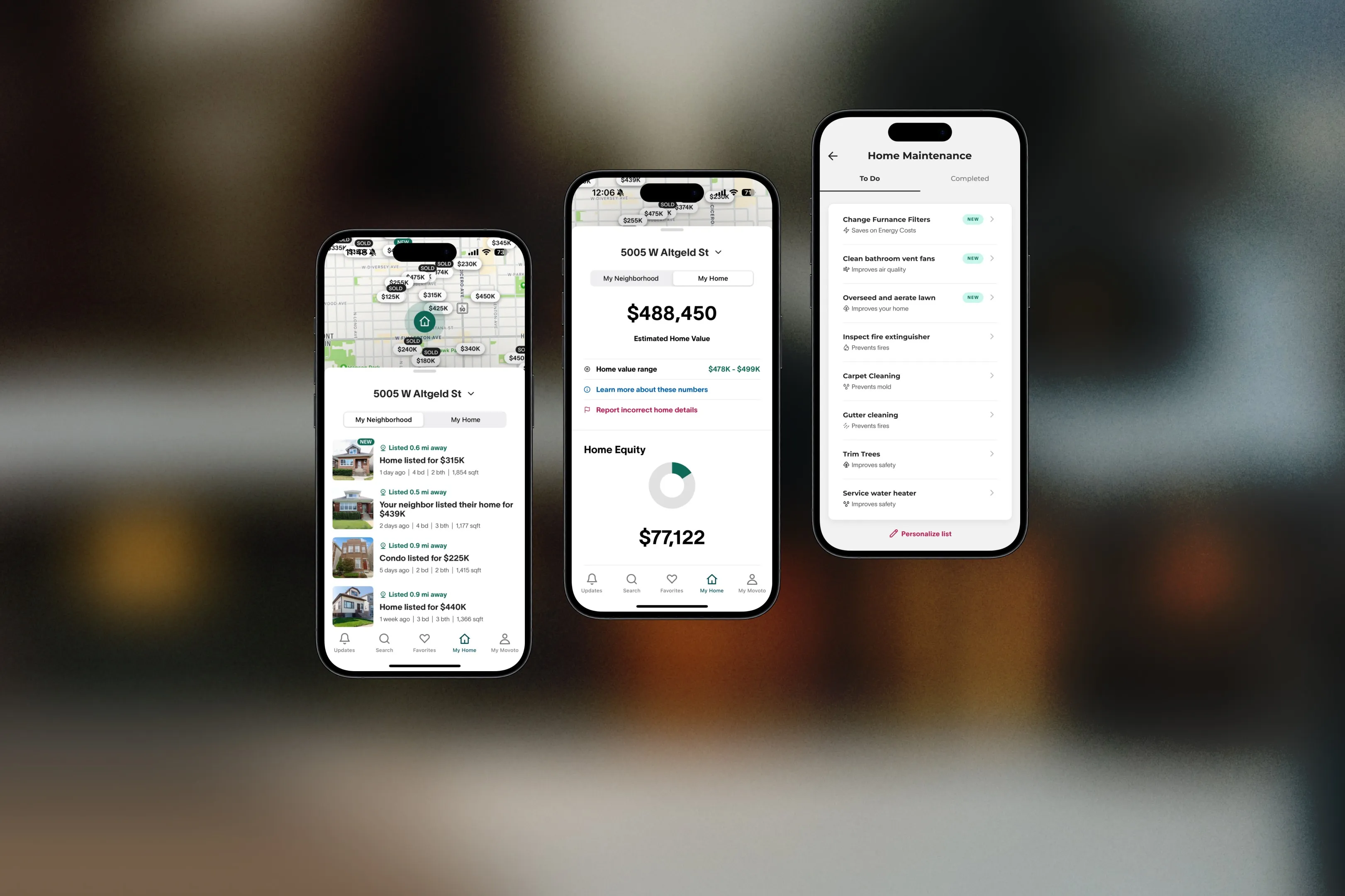
Movoto Homeowner
Empowering people to make better decisions around their largest asset, their home.
Principal Product Designer
-
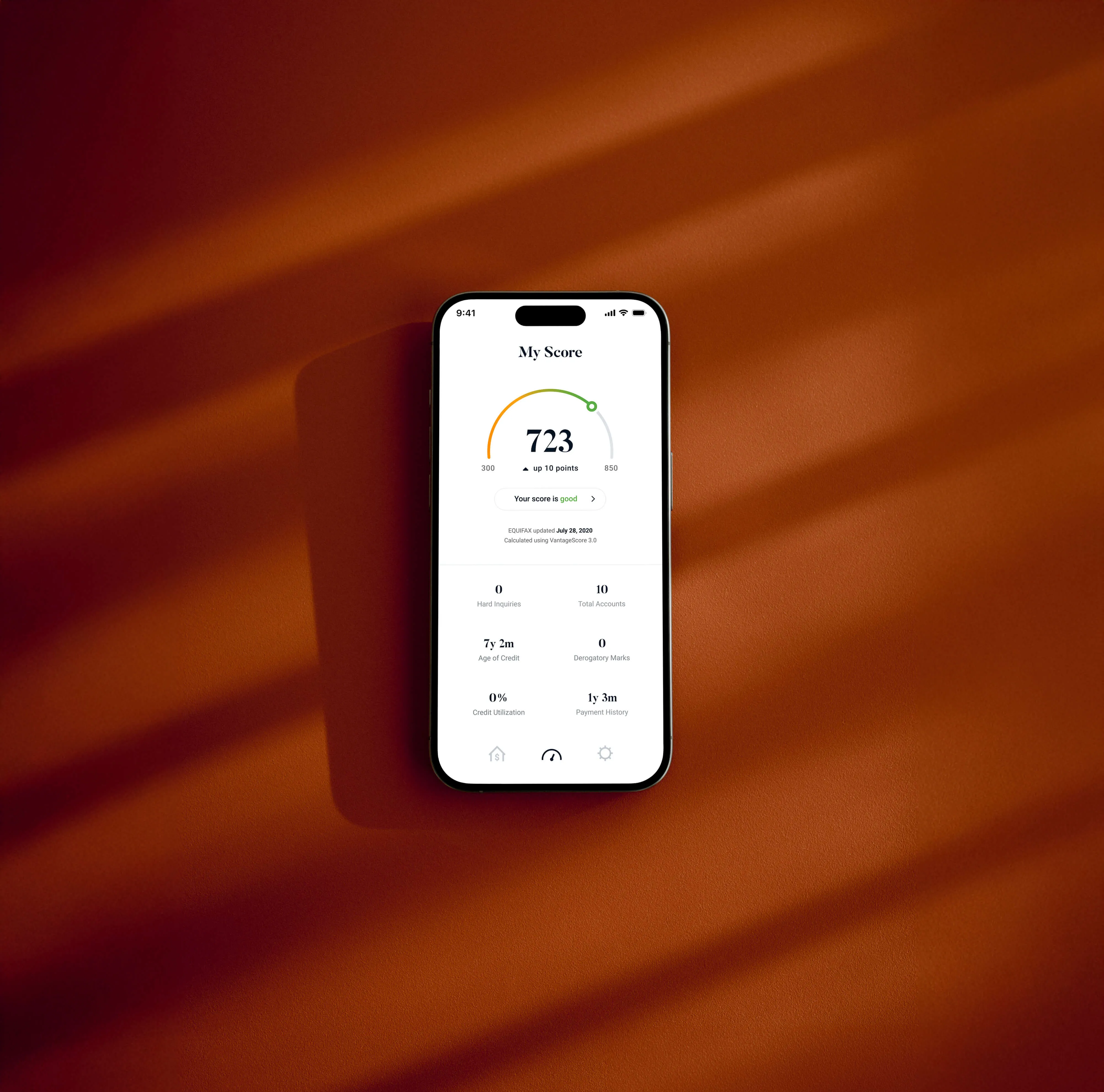
Esusu Redesign
Helping people overcome the biggest barrier to financial stability and freedom, their credit score.
Advisor & Consultant
-
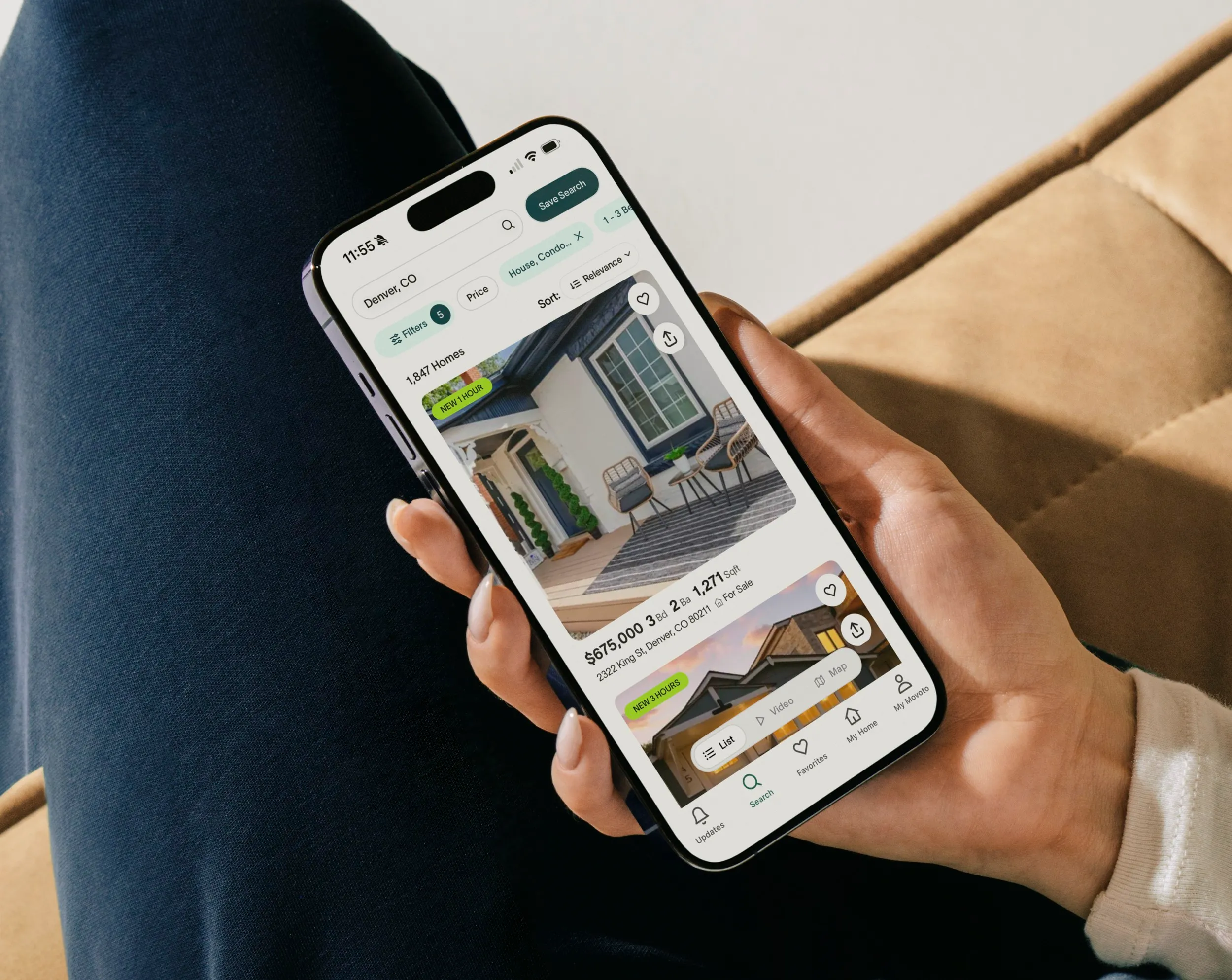
Movoto Search
Unlocking real estate insights for millions of consumers searching for their next home.
Principal Product Designer